
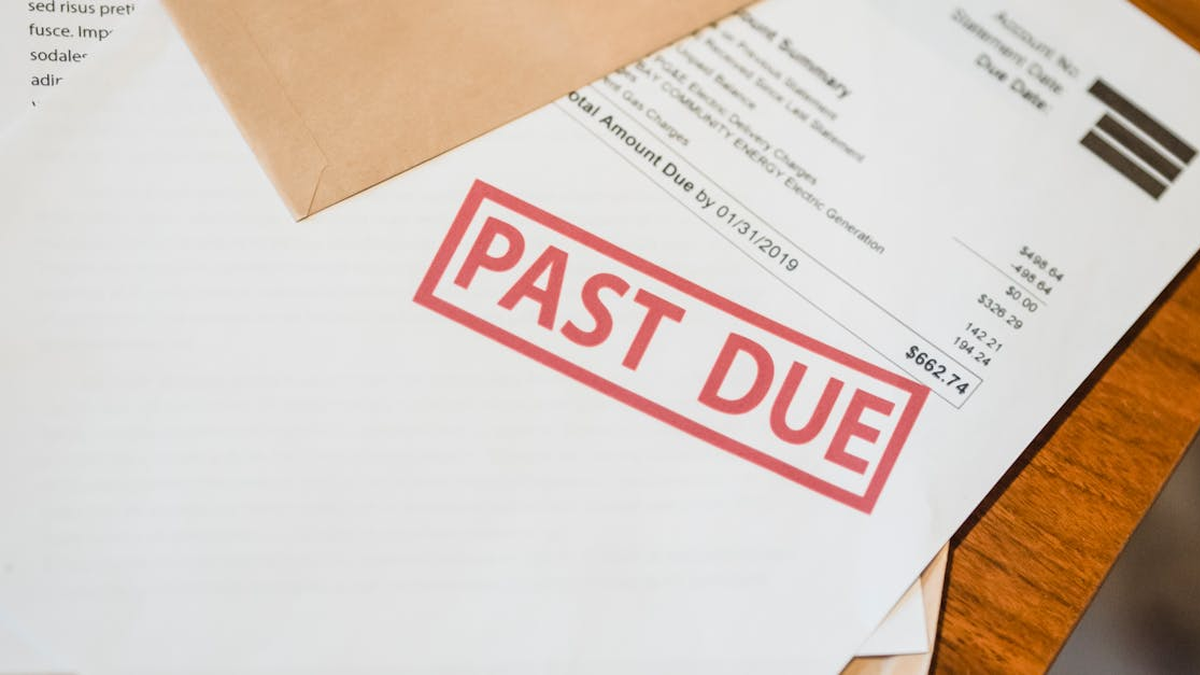
Tax season is upon us again, and this time of year can be stressful for many taxpayers. Not only do you have to gather all your financial documents for your tax return, but you also have to face the possibility of owing money to the IRS. If you are in this situation and can't pay your entire tax bill immediately, don't panic—you have options.
Check if You Qualify for Disaster Relief
If you live in an area declared a federally recognized disaster area, you may be eligible for a tax relief extension. The IRS website provides a list of areas that have received disaster relief filing extensions. Even if not directly affected by the disaster, you may still qualify for an extension. Taxpayers in disaster-affected regions may have extended deadlines to file various federal individual and business tax returns and make tax payments.
File Your Return or Request an Extension
Regardless of your ability to pay, you must still file your tax return or an extension. By filing for an extension, you can avoid the failure-to-file penalty, which can be up to 25% of the total tax owed.
Make a Partial Payment if Possible
It's wise to pay as much as possible by the April 15, 2025 deadline to avoid incurring additional interest and penalties for failure to pay. Even if you file an extension, it does not extend the time to pay taxes.
The interest rate charged for unpaid tax is determined every three months and varies based on the type of tax. Interest is compounded daily, so taxpayers can minimize their interest charges by paying their taxes as soon as possible. The latest interest rates for underpayments can be found on the IRS website.
Options for Repayment
Ignoring your tax debt can lead to further penalties, interest, and potential collection actions. If you cannot pay your tax bill in full, here are some options:
Option 1: Short-Term and Long-Term Payment Plans
The IRS offers payment plans that allow taxpayers to pay their tax debt over time:
Short-term payment plans are available for taxpayers who can pay their tax debt within 180 days. The total amount owed must be less than $100,000 in combined tax, penalties, and interest.
Long-term payment plans are for taxpayers who need more than 180 days to pay their debt, provided that their total debt amount, including taxes, penalties, and interest, does not exceed $50,000.
There is a setup fee for long-term agreements, but low-income taxpayers may qualify for a reduced or waived fee. You can apply for a payment plan online through the IRS website or by submitting Form 9465, Installment Agreement Request.
Even if the IRS approves your request for a payment plan, applicable interest and penalties will continue to accrue until you fully pay the outstanding balance. Taxpayers on a payment plan must also stay current on future tax obligations. If payments are missed, the IRS may default the agreement.
Option 2: Offer in Compromise
An Offer in Compromise (OIC) allows eligible taxpayers to settle their tax debt for less than the full amount owed. The IRS may approve an OIC if they determine that the taxpayer cannot fully pay their tax debt through a lump sum or payment plan.
To be eligible, taxpayers must:
File all required tax returns
Make all estimated tax payments for the current year
Be current on required federal tax deposits (if a business owner with employees)
Not be in an open bankruptcy proceeding
The IRS will evaluate an OIC based on income, expenses, assets, and ability to pay. If accepted, the taxpayer must comply with all tax laws while the agreement is in effect. The IRS Offer in Compromise Pre-Qualifier Tool can help determine eligibility.
Option 3: Temporarily Delay Collection (Currently Not Collectible Status)
If you are experiencing financial hardship and cannot pay any of your tax debt, you can request that the IRS temporarily delay collection.
To qualify, you may need to provide a detailed financial statement, including income, expenses, assets, and debts. If approved, the IRS will temporarily suspend collection actions, but interest and penalties will continue to accrue. The IRS may still file a Notice of Federal Tax Lien against you and periodically review your financial status.
Option 4: Pay by Credit Card or Loan
If you cannot pay your taxes in full, using a credit card or loan to cover the amount owed may be an option. While this is not ideal, the interest rate and fees charged by a credit card company or lender may be lower than the combined interest and penalties applied by the IRS.
Before choosing this option, compare the costs and weigh the pros and cons of using a credit card or taking out a loan to pay your taxes.
Falling behind on your taxes can be stressful, but options are available to help you manage your tax debt. Whether you opt for a payment plan, an Offer in Compromise, or temporarily delaying collection, it's crucial to communicate with the IRS and explore the alternatives that best suit your financial situation.
While this article provides an overview of options, it is not a substitute for speaking with a tax professional. If you need assistance with your tax return or tax planning, please contact our office. We’d be happy to discuss your unique situation.