
Insights

Living trust myths vs. reality: what a revocable trust really does
Revocable living trusts are widely used and widely misunderstood. This article explains what revocable trusts actually do, what they don’t do, and why proper design, funding, and coordination matter. Understanding these nuances can help prevent surprises and improve estate planning outcomes.

S-corporations 101: FAQs for business owners
S-corporations are one of the most frequently discussed (but often misunderstood) tax structures for small business owners. While they can offer real savings on self-employment taxes, the benefits aren't automatic - they depend on your income level, involvement in the business, and whether you're ready to manage the added compliance responsibilities. Here's what you need to know about how S-corps work, who they're right for, and what's required to maintain one.

Understanding the IRS’s new deduction for qualified overtime compensation
The IRS has introduced a new federal income tax deduction for qualified overtime compensation, effective for tax years 2025 through 2028. Eligible workers can deduct up to $12,500 (or $25,000 on joint returns) of the overtime premium they earn above their regular rate of pay. This deduction reduces is available to FLSA-covered employees who meet specific eligibility requirements, including valid Social Security numbers and certain filing status conditions.

A smart gifting strategy: why the annual gift tax exclusion matters more than you think
When we talk about gifting as part of a tax strategy, many people assume it's something only the ultra-wealthy need to worry about. But gifting is actually one of the simplest and most powerful financial planning tools available - and a thoughtful gifting strategy can make a meaningful difference for your family, both now and in the long run.
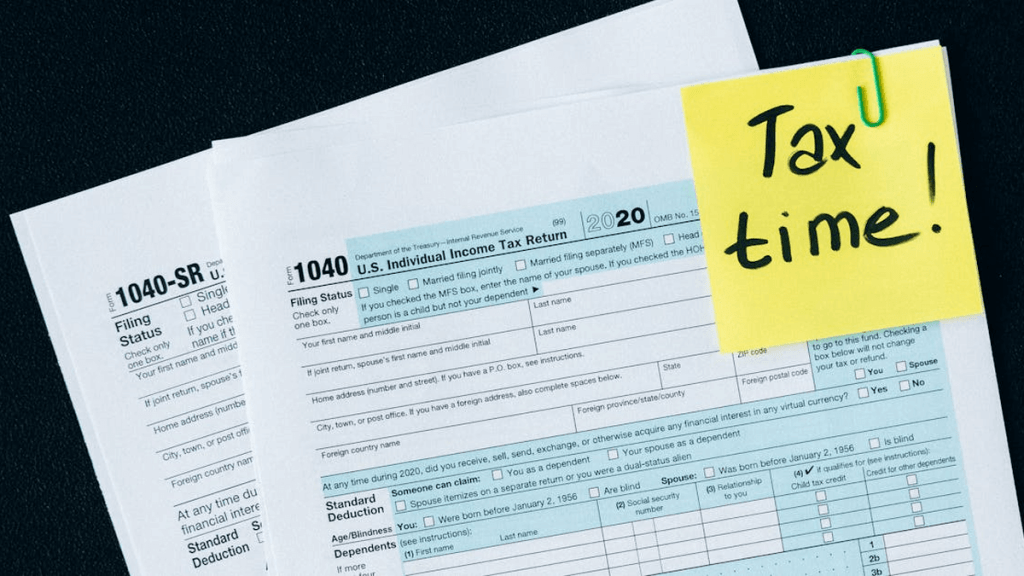
Your 2026 tax season survival guide
For most people, tax season brings a quiet panic about what they might be forgetting and a last-minute rush to pull everything together before the deadline. But it doesn't have to be that way. With just a little preparation, you can avoid surprises, minimize your tax bill, and make the entire process smoother for both you and your advisor.

How to use installment sales to spread real estate capital gains over time
Selling appreciated real estate? Learn how installment sales can help you spread capital gains over time, reduce your tax burden, and align payments with retirement or income planning goals. This guide explains how the strategy works, when it applies, and what tax rules to watch for, including depreciation recapture and related-party restrictions.

Understanding Trump Accounts: what parents need to know about the new child-focused IRA
Trump Accounts are a new type of tax-advantaged retirement account for children, created under 2025 legislation and clarified by recent IRS guidance. While contributions can't begin until mid-2026, families can begin preparing now. This article explains what is currently known, what remains uncertain, and how Trump Accounts compare to other common savings tools like Roth IRAs and 529 plans.

Disguised dividends: what C corp owners should know about reasonable compensation
Mitigate the risk of IRS reclassification of compensation as disguised dividends. Learn how C corporations can structure owner-employee pay to stay compliant and tax-efficient.

IRS grants employers penalty relief for 2025 tip and overtime reporting
The IRS is offering penalty relief for 2025 as employers struggle to comply with new reporting requirements for tips and overtime pay under the OBBBA. While businesses won't face penalties this year for failing to separately report qualified tips, overtime compensation, and occupation codes, this transition period is explicitly temporary—and smart employers will use it to prepare for full compliance in 2026.

Rental or business? Navigating the tax treatment of short-term rentals
Understand how the IRS taxes short-term rentals, from the 14-day rule to deductible expenses and 1099-K reporting. A must-read guide for short-term rental hosts.

1099 season is here: what employers need to know
Businesses must prepare 1099s for contractors and vendors by February 2, 2026. Understanding which forms to use and getting organized now can help you stay on track and avoid costly IRS penalties.

Hiring your child: tax perks and potential pitfalls for families in business
Hiring your child in your business can offer powerful tax advantages while teaching financial responsibility and supporting long-term wealth planning. Learn how to structure it properly, avoid IRS pitfalls, and make the most of this overlooked family strategy.
No results found.