
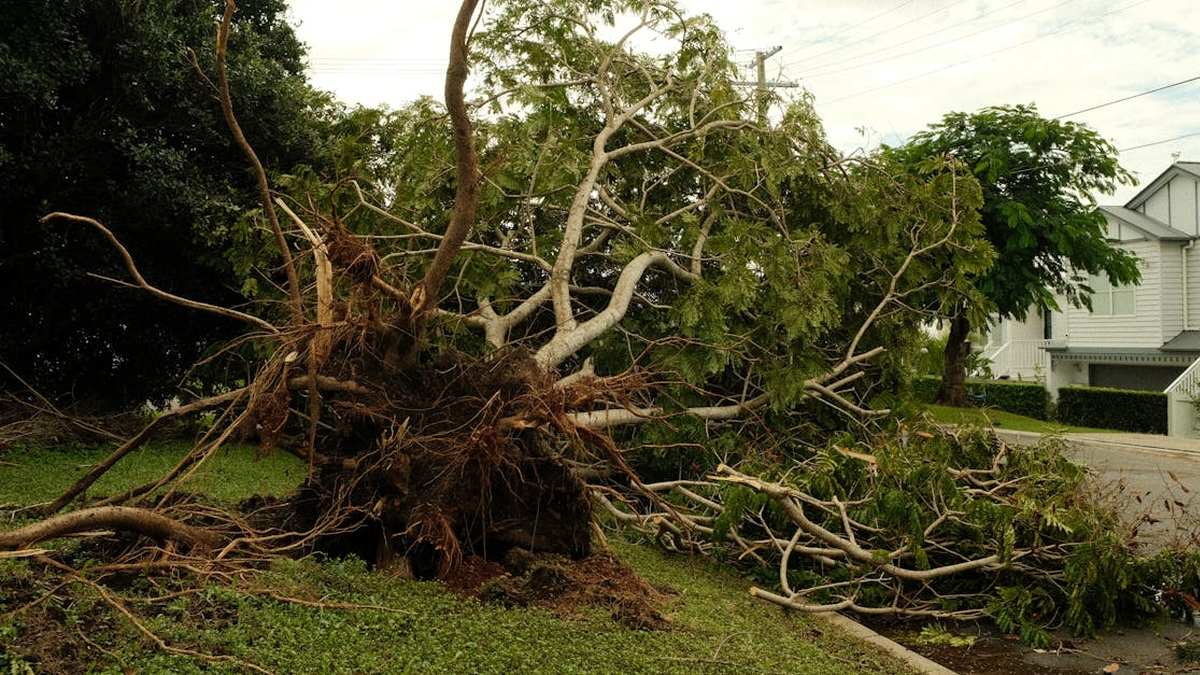
The IRS has announced federal tax relief for individuals and businesses in parts of Missouri affected by severe storms, straight-line winds, tornadoes, and flooding that began on May 16, 2025. This relief, tied to a federal disaster declaration (FEMA 4877-DR), extends a wide range of tax filing and payment deadlines to November 3, 2025.
Who Qualifies for Relief?
Relief applies to:
Individuals and businesses in the City of St. Louis, Scott County, and St. Louis County
Taxpayers located outside those counties whose records necessary to meet a filing or payment deadline are located within the disaster area
Relief workers affiliated with a recognized organization working in the disaster area
Individuals visiting the area who were injured or killed as a result of the disaster
What Deadlines Are Extended?
Taxpayers in the affected areas now have until November 3, 2025, to file returns and make payments that were originally due on or after May 16, 2025, and before that date.
This includes:
Individual, corporate, partnership, S corporation, estate and trust income tax returns
- Quarterly estimated income tax payments due June 17 and September 16, 2025
Estate, gift, and generation-skipping transfer tax returns
Annual information returns of tax-exempt organizations (e.g., Form 990)
Employment and certain excise tax returns
Quarterly payroll and excise tax returns due July 31 and October 31, 2025
Form 5500 series retirement plan filings due on or after March 14 and before Nov. 3
Casualty Losses
Affected individuals can choose to claim disaster-related casualty losses on either:
Their 2025 federal return (normally filed in 2026), or
Their 2024 return (already filed or still on extension)
If claiming a loss on the 2024 return, include FEMA declaration number 4877-DR on the return and consult Form 4684 for details.
The deadline to make this election is October 15, 2026, for most individual taxpayers.
Payment Agreements
For taxpayers on an IRS payment plan or installment agreement:
Reminder notices and direct debit payments will continue
However, missed payments during the relief period will not trigger default
Interest and late-payment penalties still accrue, unless additional relief applies
Taxpayers may suspend direct debits by contacting the IRS or their bank
Other Relief
Fees will be waived for requests for copies or transcripts of previously filed returns (use FEMA 4877-DR on Form 4506 or 4506-T)
Qualified disaster relief payments are excluded from gross income under certain conditions (see IRS Publication 525)
Special rules may apply to IRA or retirement plan distributions, including:
Exclusion of the 10% early withdrawal penalty
Ability to spread tax liability over 3 years
Disaster-related hardship withdrawals (see Form 8915-F and SECURE 2.0 disaster FAQs)
Questions?
If you are unsure whether you qualify or how this affects your situation, we encourage you to:
Contact our office
Reach out to your tax preparer
Or call the IRS disaster hotline directly at 866-562-5227
We’re here to guide you through this relief and ensure your filings are handled properly.